
Most people who talk themselves out of buying in Charleston aren't afraid of the market. They're afraid of being on the hook alone.
TL;DR
- What stalls most Charleston buyers isn't the market or the house. It's fearing they'll face every problem alone after closing.
- Retirees, relocating executives and out-of-state investors share the same worry: no trusted vendors, no local network.
- That's a management problem, not a market problem, and it's solvable before you ever sign.
- Homestead Charleston can be in place from day one, through estate care for a home or rental management for an investment.
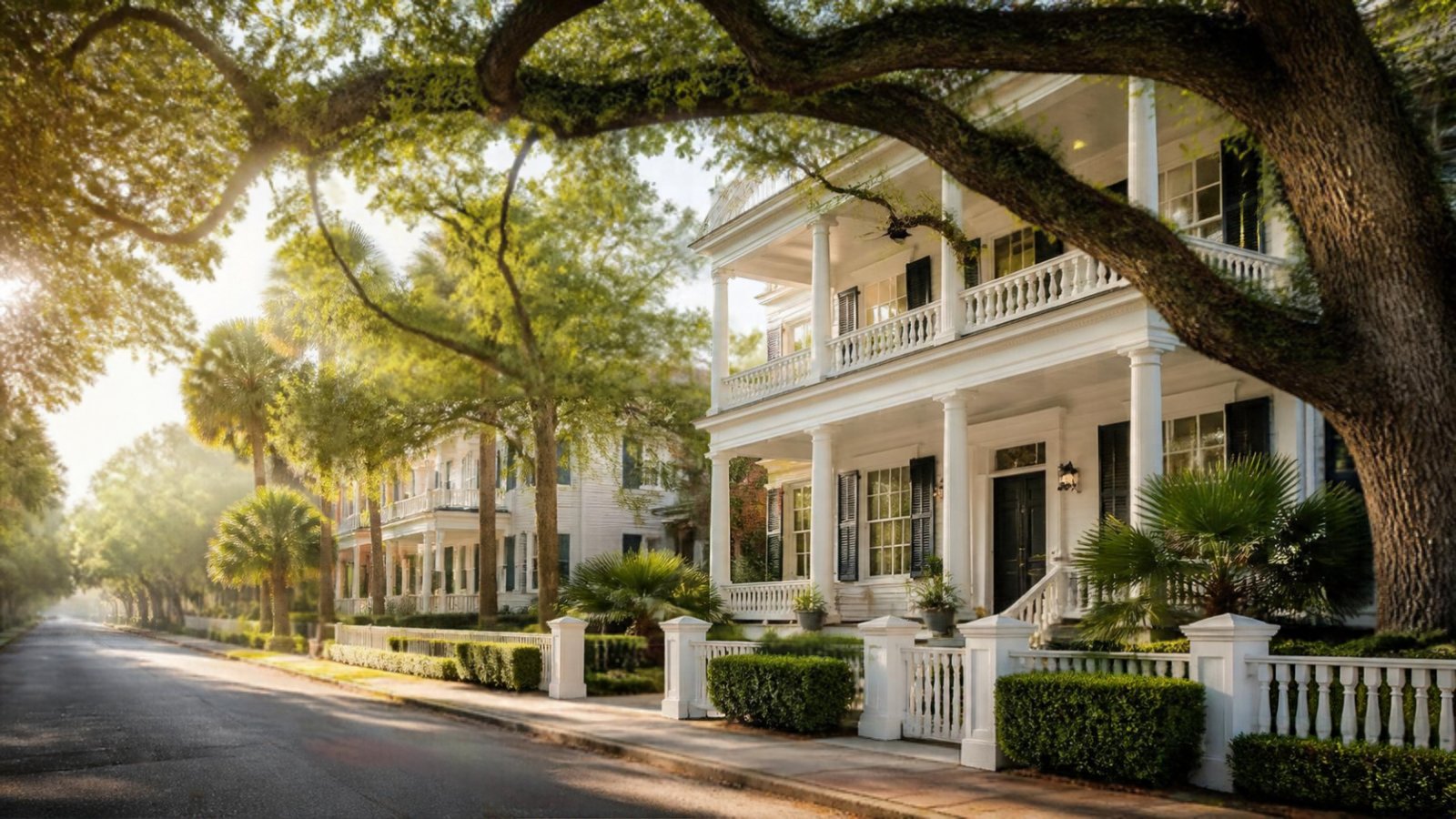
You've probably already pictured it — the walk to Pitt Street Pharmacy on a Saturday, the boat pulling up to a dock on Daniel Island, the porch on a Mt. Pleasant street where the live oaks meet overhead. That part isn't hard to imagine. It's the part right after that stalls people out: the first Tuesday afternoon when something in the house breaks and there's no one to call but yourself, and you don't know a single vendor in a city you've lived in for six weeks.
That moment — not the mortgage, not the market, not the inspection report — is usually what keeps a serious buyer circling Charleston for another year instead of making an offer.
It's Not the House You're Afraid Of
Talk to enough people considering a move here, or a second home, or an out-of-state rental purchase, and a pattern shows up quickly. Almost none of them are actually worried about the property itself. The inspection will tell them what's wrong with the house. What it won't tell them is who fixes it, how fast, at what price, and whether that person can be trusted the third time as much as the first. That uncertainty doesn't show up on a settlement statement, so it rarely gets addressed before someone signs. It just sits there, quietly, as the reason a decision that should take a few months takes two years instead.
This shows up differently depending on what someone's buying. A retiree eyeing Kiawah worries about being far from family if something goes wrong with the house while they're traveling. A relocating executive worries about showing up to a city where they don't yet know a single plumber, roofer, or landscaper worth trusting. An out-of-state investor looking at a single-family rental worries most of all — they're evaluating a property they may never see in person more than twice a year, in a market they're learning from spreadsheets and drone photos.
"I wasn't scared of the house. I was scared of not knowing a single person to call if something went wrong with it."
The Fear Is About Management, Not the Market
Here's the reframe that tends to unstick people: almost everything on that worry list is a management problem, not a house problem or a market problem. Charleston's fundamentals — the growth, the population inflow, the demand for both primary homes and rentals across Daniel Island, Mt. Pleasant, and the greater metro — haven't given serious buyers a reason to hesitate in years. What's given them a reason to hesitate is picturing themselves as the only line of defense between a house and whatever happens to it, in a place where they don't yet have a network.
That's a solvable problem, and it's worth naming plainly: the solution isn't waiting until you've lived here long enough to build your own vendor list by trial and error. It's not needing one in the first place.
People rarely say this part out loud, but it's usually the real math running underneath the hesitation: they can picture the house, they can picture the neighborhood, they can even picture the closing table. What they can't picture is who they'd call at 7 a.m. on a Sunday if a pipe let go, and that one unanswered question is often enough to push a decision another six months down the road — not because the house got worse, but because the unknown never got smaller on its own.
Where Homestead Charleston Fits Before You've Even Closed
Homestead Charleston works with people at exactly this stage — before the moving truck arrives, before the first tenant moves in, sometimes before the offer is even accepted. For a homeowner moving to a primary or second home, that means estate care starts on day one: a flat retainer, a fiduciary standard with no vendor markups or kickbacks, and someone who already knows which roofer shows up and which one doesn't, so a new owner never has to learn that lesson the hard way. For someone buying a single-family rental from out of state, it means rental management for a flat 15 percent of rent collected — screening, maintenance, and tenant relationships handled by someone who's already local, so "the rental income, not the landlord life" isn't just a nice idea but the actual first experience of owning here.
Either way, the vendor network, the local judgment, and the person who answers the phone at 9 p.m. already exist before a new owner needs them. That's the entire point. The uncertainty that's been holding a decision hostage for a year or two isn't a reason to keep waiting — it's a reason to bring in the piece that was always going to need solving eventually, just earlier than you'd planned.
The Decision Was Never Really About the House
If you've been circling a decision about Charleston — to move here, to buy a second home, to finally place that rental investment you've been running numbers on for a year — it's worth being honest about what's actually been holding you back. It usually isn't the market. It isn't even the house. It's the picture of yourself standing alone in it the first time something goes wrong, with no one to call.
That picture doesn't have to be accurate. It's just been undefended, until now. Own it. Enjoy it. Leave the rest to us.
About the author
Mike Wood is the owner and Property Manager-in-Charge of Homestead Charleston LLC (PMIC License #145042), a boutique estate care and rental property management firm based on Daniel Island, SC. mikewood@homesteadcharleston.com