

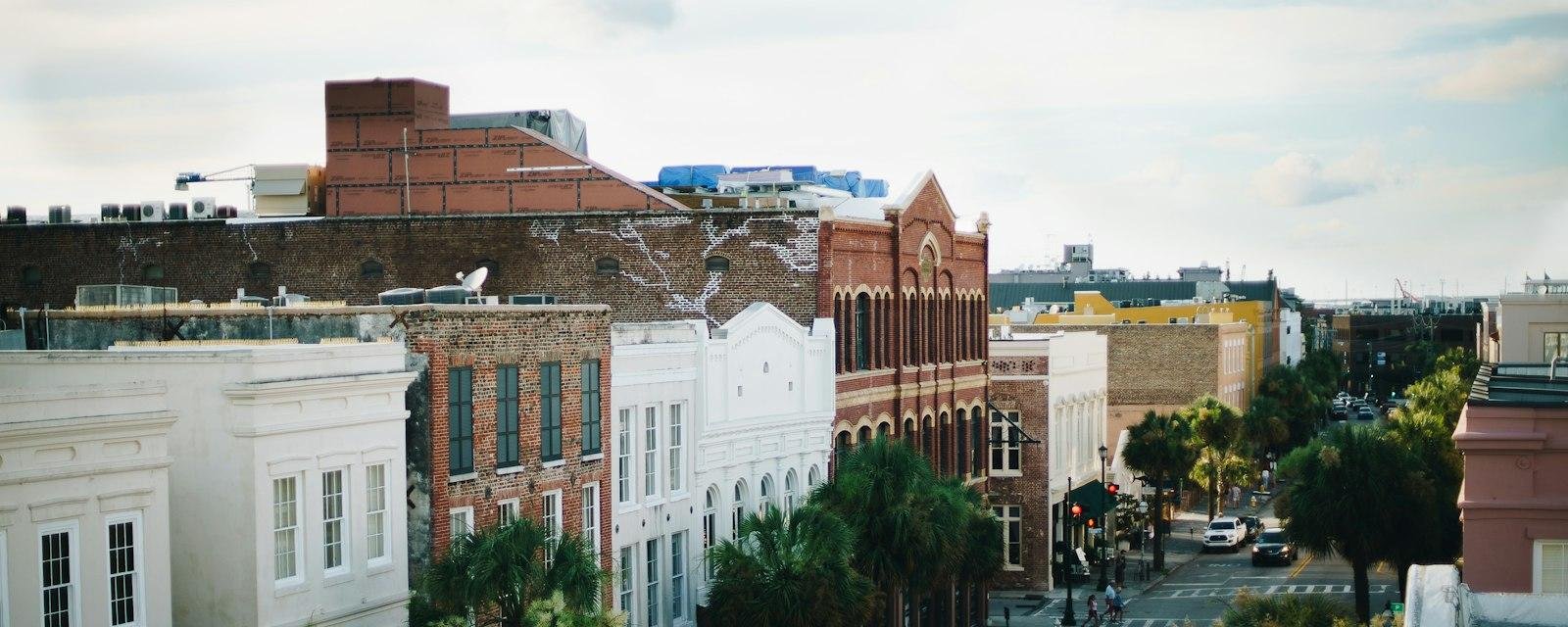
Four projects, ten thousand-plus units, and a peninsula adding residents for the first time since the 1930s — the real signal beneath this month's headlines.
TL;DR
- Magnolia Landing is a 194-acre, $2.5 billion peninsula redevelopment with roughly 2,500–3,000 units and first homes expected by 2028.
- Project 3500 is policy-driven capital: over 2,300 new moderate-income apartments replacing 800+ public housing units.
- Union Pier and Laurel Island show the gap between a land sale or old approval and real momentum.
- The return gets decided after the purchase; Homestead Charleston runs that operational side with corridor-level local knowledge.
Most "hot market" talk about Charleston is noise — vague, unsourced, recycled every few months regardless of what's actually happening on the ground. This week's peninsula news isn't that. It's a $2.5 billion development, real acreage, a named developer, and a construction start date already on the calendar. When a story comes with that much specificity, it's worth slowing down and mapping exactly where the capital is going, and why.
The Anchor: Magnolia Landing
Highland Resources, led by CEO Clark Davis, is moving forward on Magnolia Landing, a 194-acre, $2.5 billion redevelopment on the Charleston peninsula, with construction beginning late this summer and first homes expected by 2028. The current plan calls for roughly 2,500 to 3,000 units — scaled back from an original approval north of 4,000 — with about 20% designated affordable, a grocery store, waterfront restaurants, and 1.5 miles of river access built into the site plan. Toll Brothers is building first, with an initial 158 townhouses breaking ground as the leading edge of the project. This is the single largest capital commitment on the peninsula right now, and it's a useful anchor for reading everything else happening around it.
The Policy-Driven Signal: Project 3500
Running in parallel, and worth tracking separately because it's driven by a different mechanism entirely, is Project 3500 — a City of Charleston and Charleston Housing Authority partnership under Mayor William Cogswell that would replace more than 800 existing public housing units with over 2,300 new moderate-income apartments, part of a broader plan targeting 5,500 units with roughly 3,500 designated affordable by 2032. Unlike Magnolia Landing, this is policy-and-public-partnership-driven capital rather than pure private development. For investors, that distinction matters: it signals sustained municipal commitment to peninsula density, which tends to de-risk the broader corridor over a longer horizon even where the individual project isn't itself an acquisition target.
"The corridor makes the case for you. Getting paid on it is a different job entirely."
The Long-Horizon Watch List: Union Pier and Laurel Island
Two more sites round out the picture, and they illustrate the gap between announced capital and delivered capital. Union Pier, a 65-acre former cruise-ship parking property, was sold by the State Ports Authority to Ben Navarro, owner of Charleston Place — real money changing hands on a site with obvious long-term upside, though redevelopment plans remain preliminary. Laurel Island, a former landfill site controlled by Philadelphia-based Lubert Adler Real Estate Funds, tells the opposite story: approved for roughly 4,260 units back in 2021, with no visible progress since. Reading both against Magnolia Landing is the whole exercise — a transaction alone isn't a signal, and an old approval isn't momentum. Construction equipment on site is.
The demand backdrop behind all four projects is real, too. The peninsula's population bottomed out at 33,644 in 2020, the lowest figure since 1840, after decades of decline from its 1940s peak. Since then, more than 2,100 units have already been added, and the combined pipeline now on the table could grow the peninsula's population by more than 50%. That's the first sustained population rebound the peninsula has seen since the 1930s — a demand story large enough to justify the capital now moving toward it.
Where Homestead Charleston Fits
None of this changes the fact that buying into a corridor and running a property inside it are two separate skill sets, and the development coverage never mentions the second one. An investor who buys well in West Ashley, on the peninsula, or out toward Daniel Island and Clements Ferry still has to lease it, maintain it, and collect on it — month after month, long after the groundbreaking photos stop running. That operational layer is where a modeled return quietly erodes, usually through vacancy drag, reactive maintenance, and inconsistent collections rather than any flaw in the underlying thesis.
Homestead Charleston manages that layer for a flat 15% of rent collected, with no markups passed through on vendor work, and the kind of corridor-specific local knowledge that a growth story alone doesn't hand you — which contractors are reliable near a given project, what a given submarket's rent actually supports, and how to keep a property performing while the neighborhood around it is still under construction.
Capital Follows the Story. Returns Follow the Operator.
$2.5 billion is a headline. What happens to the units built with it — how they're leased, maintained, and managed for the next decade — is where an investor's actual return gets decided. The rental income. Not the landlord life.
About the author
Mike Wood is the owner and Property Manager-in-Charge of Homestead Charleston LLC (PMIC License #145042), a boutique rental property management firm based on Daniel Island, SC. mikewood@homesteadcharleston.com
Photo: Unsplash — photo by Cody Silver